Hrvatski
 Italiano
 Français
The Dance of Space and Memory: “Vitić Dances” at the History Museum
In the very heart of Sarajevo, there where history, architecture, and collective memory meet, stands the Historical Museum of Bosnia and Herzegovina – an institution that for decades has collected, preserved, and interpreted the tangible and intangible heritage of this land. From its founding in 1945 until today, the museum has not been merely a place of safeguarding the past, but a living centre of knowledge, culture, and societal dialogue.
It is in this very space, which itself belongs among the outstanding achievements of modernist architecture, that on November 6 the Sarajevo screening of the documentary film “Vitić Dances” by director Boris Bakal will take place – a film that in a personal and poetic way revives the life and work of the architect Ivo Vitić. The film does not only show architecture, but also social processes, transformations of space, and the relationship to a heritage that is disappearing or being neglected.
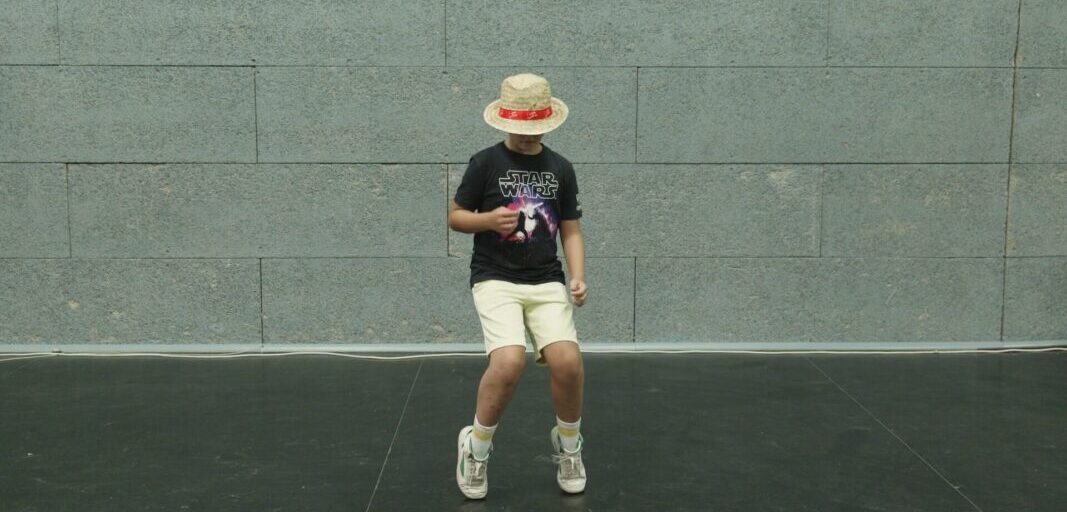
“Vitić Dances” had its premiere in April in Zagreb, where it so delighted the audience that the screening was repeated a week later. People were fascinated by the film about the struggle to restore an architectural masterpiece through the restoration by the community of co‑owners, discovering, layer by layer, all the social relations, misunderstandings, conflicts, antagonisms, prejudices, and hopes. The story of the building became the story of a universal human misunderstanding. The film follows for nearly 15 years the project of community art by Boris Bakal and Shadow Casters, which tries by various conceptual artistic means to bring the community of co‑owners into a joint restoration of Ivo Vitić’s modernist architectural masterpiece.
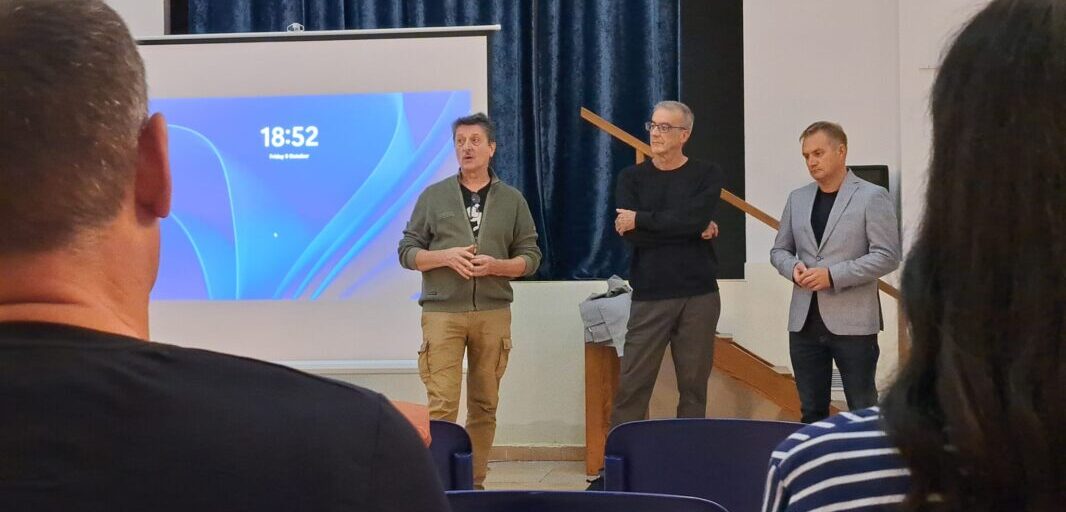
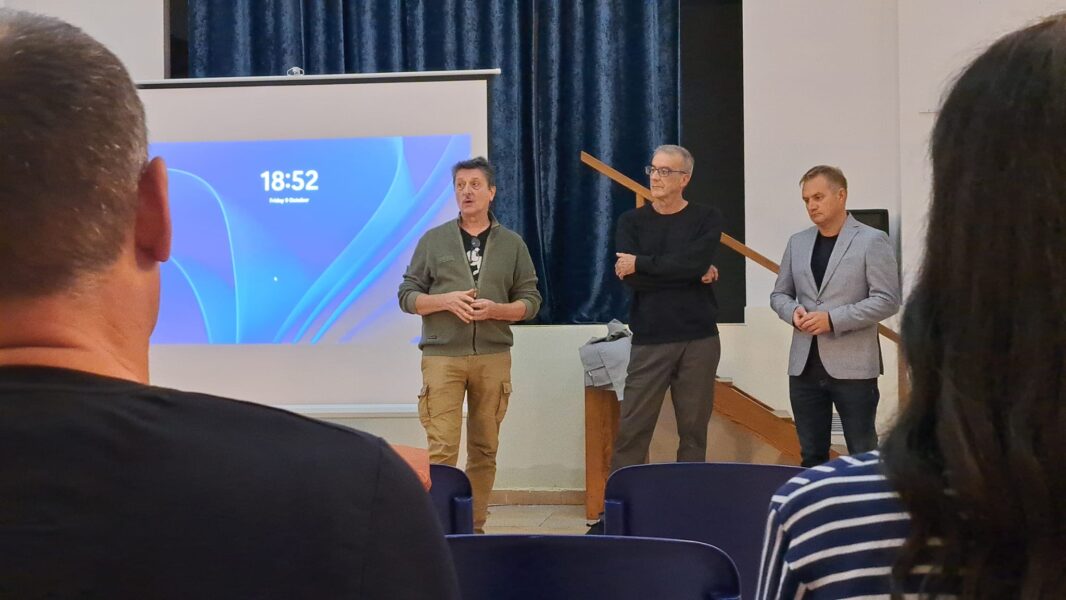
As part of the Sarajevo premiere, director Boris Bakal will hold a special lecture for architecture students that will be dedicated to the experience of realizing the restoration project of Vitić’s tower, but also to broader themes related to architecture and urbanism of socialist modernism, and will conclude with an open conversation with students.
The screening at the Museum is not incidental. The museum building, completed in 1963, symbolizes the period in which a new social reality was being constructed, but also values of collectivity, progress, and the culture of memory. Over the decades of its work, the museum has gone through different phases – from formative years and the “golden age” of its permanent exhibits and museological initiatives, through the wartime period, when it found itself on the front line known as the “sniper alley,” to contemporary attempts at revitalization and reinterpretation of its meaning in today’s time.
In that context, “Vitić Dances” in Sarajevo does not speak only of one architect – but of all of us, about the space we share, about the buildings that remember, and about the responsibility to experience heritage not as a burden, but as a challenge and opportunity.
Director: Boris Bakal
Screenwriters: Boris Bakal, [Martin Semenčić]
Cinematographers: Adam Luka Turjak, Ante Cvitanović, Bojana Burnać, Bojan Haron Markičević, Boris Bakal, Damjan Nenadić, Danko Vučinović, David Oguić, Davorin Fahn, Dubravka Kurobasa, Filip Tot, Ines Lambert, Jadran Boban, Jasenko Rasol, Katarina Pejović, Lovro Cepelak, Mark Modrić, Rino Barbir, Sandra Uskoković, Plakor Kovačević, Srđan Kovačević, Veno Mušinović, [Vedran Senjanović], Tamara Cesarac, Tomislav Sutlar, Tomaš Kratochvíl
Editor: [Martin Semenčić]
Composer: Stanko Juzbašić
Producers: Boris Bakal, Adrijana Prugovečki, Tibor Keser, Ivan Kelava
Production Company: Multimedia Arts Organization Shadow Casters
Coproducers: Croatian Radiotelevision
The film was produced by Multimedia Arts Organization Shadow Casters, in coproduction with Croatian Radiotelevision, and co‑financed by the Croatian Audiovisual Centre, the City of Zagreb, and the MEDIA Sub‑Program under Creative Europe.